
Drainage System Inspection and Maintenance
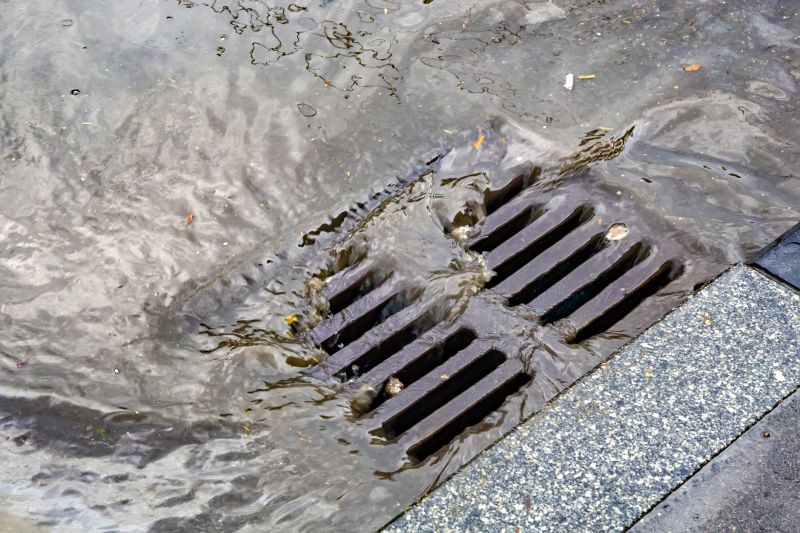
Spring is an ideal time for drainage service to prepare for increased rainfall and prevent water accumulation.
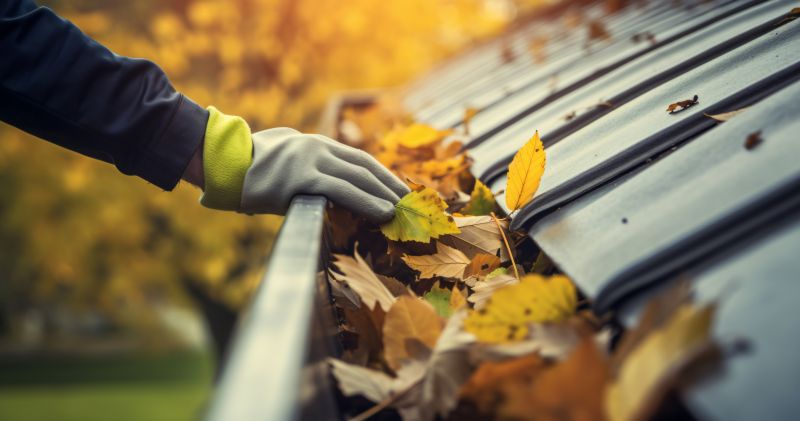
Performing drainage maintenance in fall helps manage leaf debris and ensures proper flow during winter.
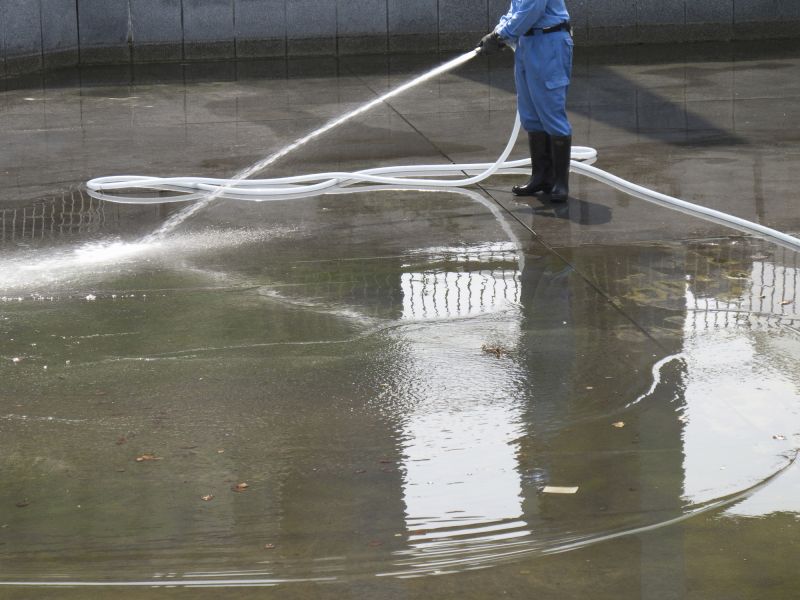
Scheduling drainage service during dry periods allows for thorough inspection and repairs without weather delays.
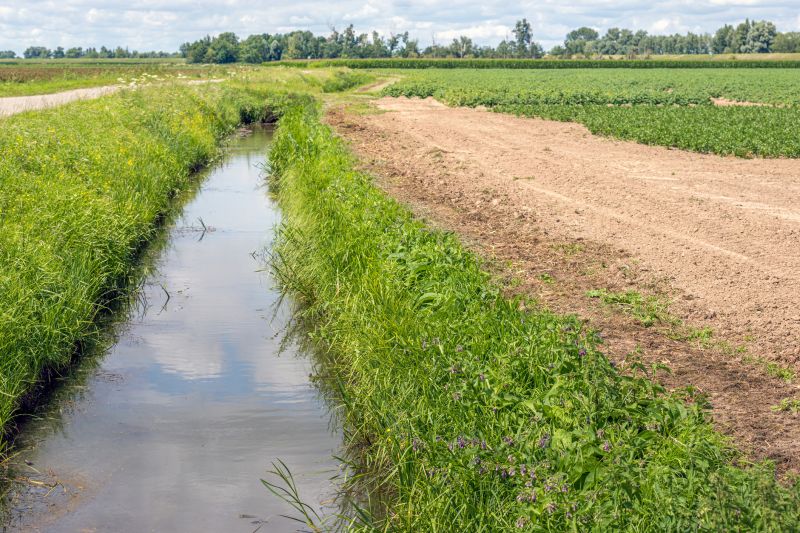
Ways to make Drainage Service work in tight or awkward layouts.
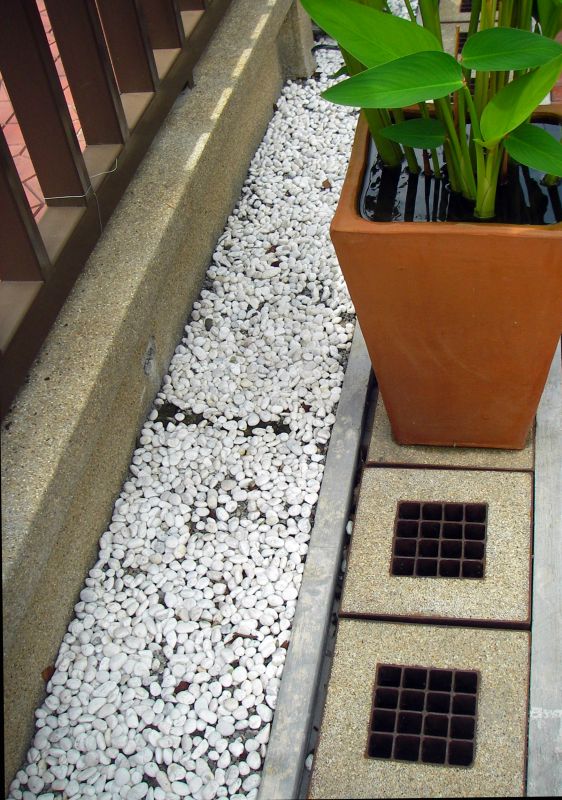
Popular materials for Drainage Service and why they hold up over time.
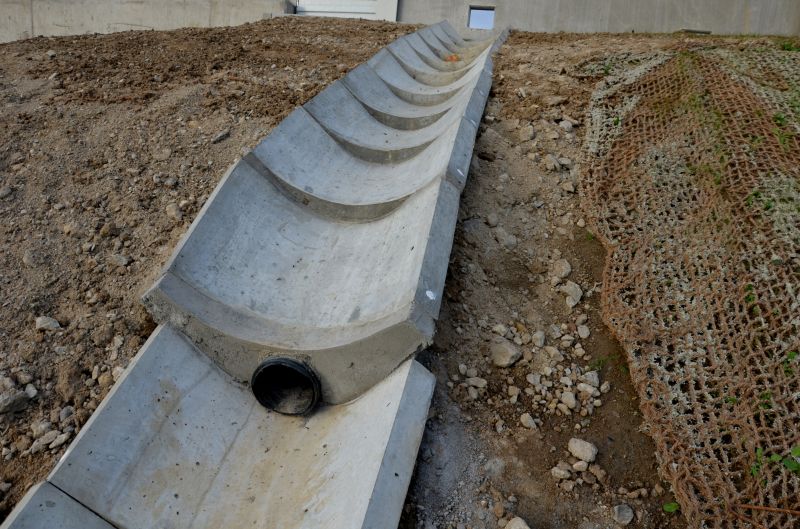
Simple add-ons that improve Drainage Service without blowing the budget.
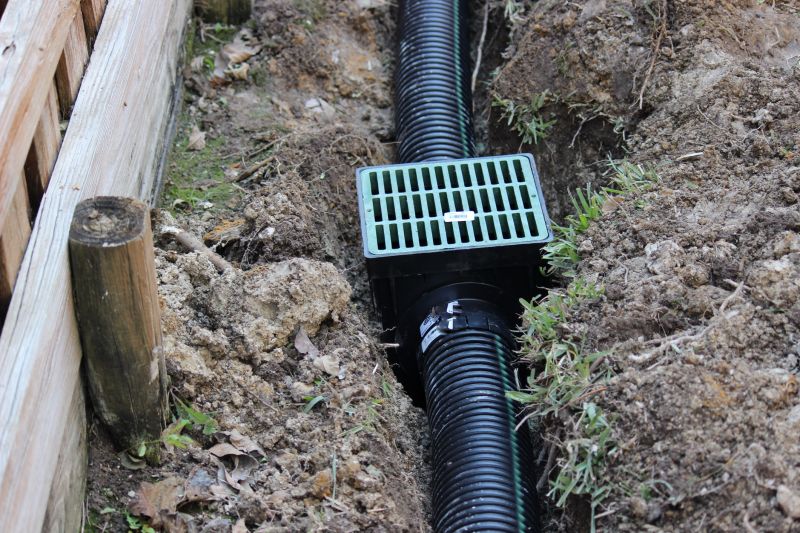
High-end options that actually feel worth it for Drainage Service.
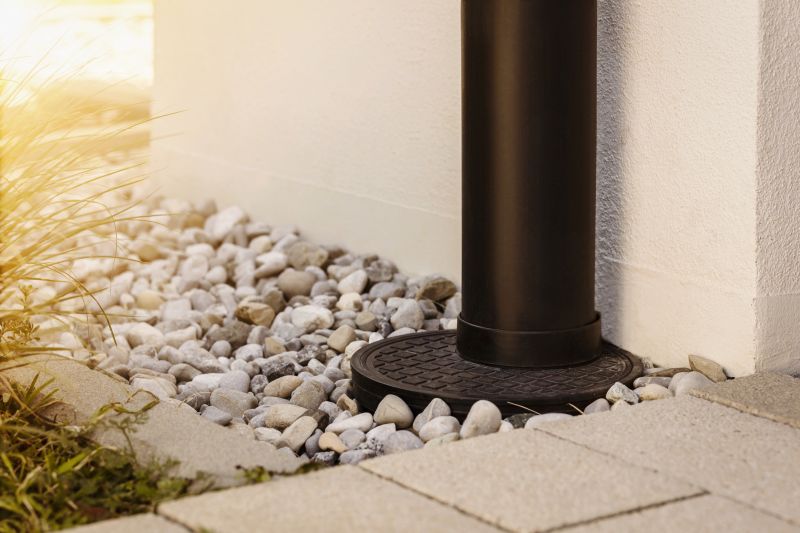
Finishes and colors that play nicely with Drainage Service.
Drainage service involves inspecting, cleaning, and repairing drainage systems to ensure effective water flow and prevent flooding. Proper drainage management reduces property damage, minimizes erosion, and maintains landscape integrity. Regular maintenance can extend the lifespan of drainage infrastructure and avoid costly repairs caused by blockages or system failures.
Statistics indicate that proper drainage reduces flood-related damages by up to 70 percent. Effective drainage systems are crucial in managing stormwater runoff, especially in areas prone to heavy rainfall or rapid snowmelt. Scheduling drainage service at optimal times ensures systems are functioning efficiently before severe weather events occur.
Regular inspections identify potential issues early, preventing major problems during heavy rainfall.
Removing leaves, mud, and other debris maintains unobstructed water flow in drainage channels.
Timely repairs help avoid system failures and prolong drainage infrastructure lifespan.
Proper drainage reduces soil erosion around property foundations and landscape features.
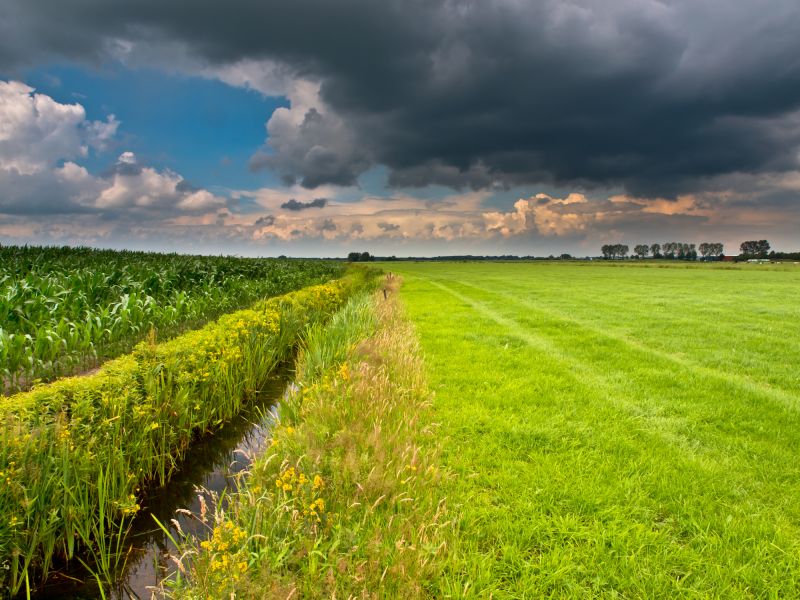
Routine maintenance ensures systems operate efficiently year-round.
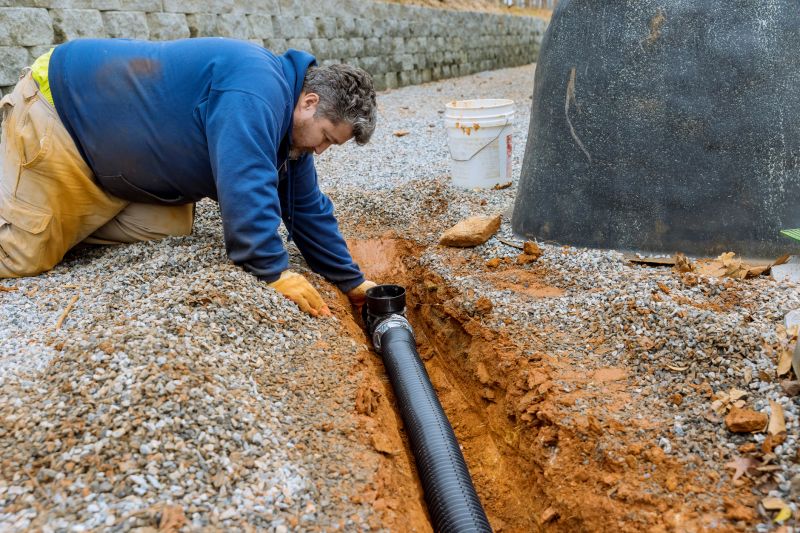
Repairs address cracks, blockages, and damages to prevent future issues.
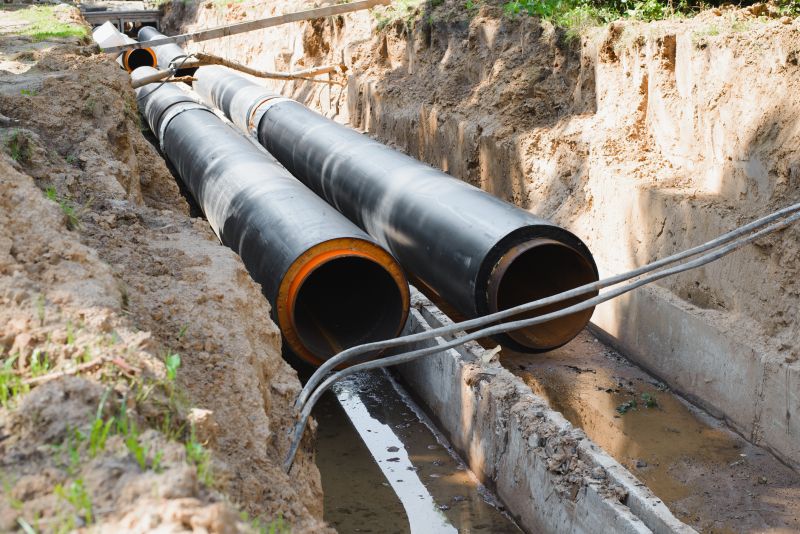
Proper installation is essential for long-term drainage effectiveness.
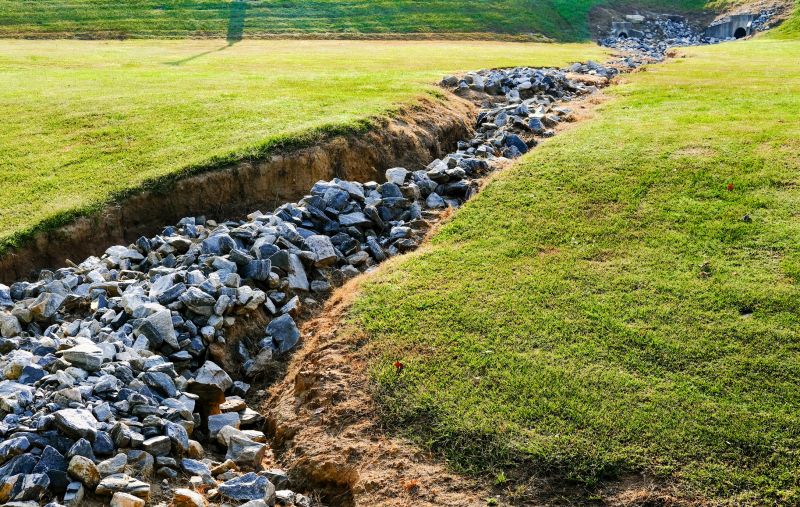
Strategies to prevent soil erosion around drainage areas.
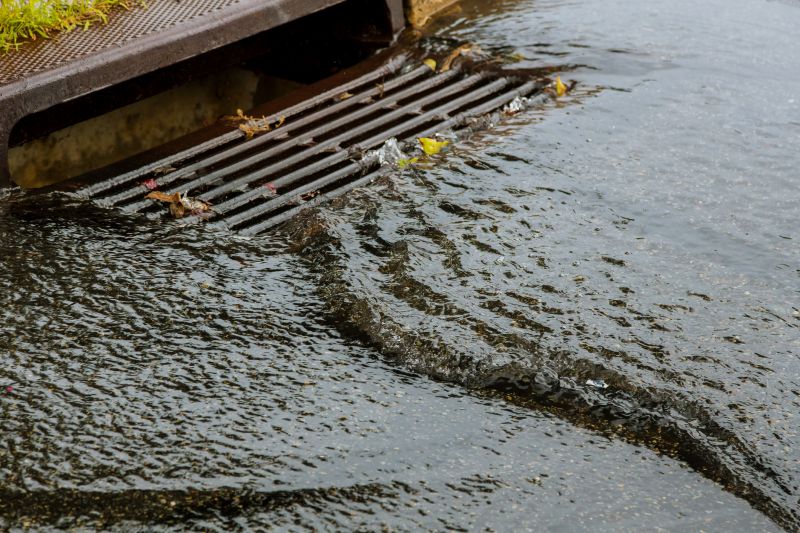
Designing effective solutions for managing stormwater runoff.
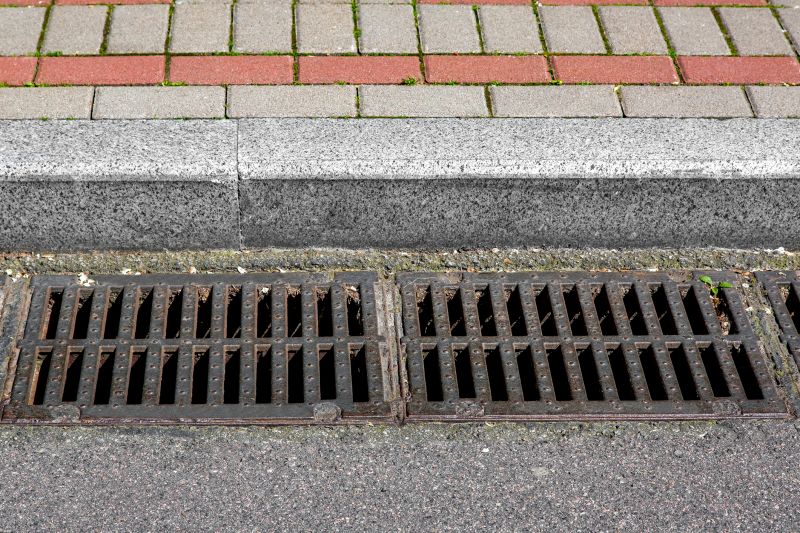
Removing debris from catch basins to maintain flow capacity.
| Best Time for Drainage Service | Key Benefits |
|---|---|
| Spring | Prepares systems for heavy rainfall and snowmelt. |
| Fall | Prevents debris buildup and prepares for winter. |
| Dry periods | Allows thorough inspections and repairs. |
| Before storm seasons | Ensures systems are ready for severe weather. |
| After severe weather | Removes blockages caused by storms. |
Scheduling drainage service during optimal times ensures systems function efficiently when most needed. Proper timing helps prevent property damage, reduces erosion, and maintains landscape stability. Regular maintenance aligned with seasonal weather patterns can significantly improve drainage performance.

Thorough checks identify potential issues early.
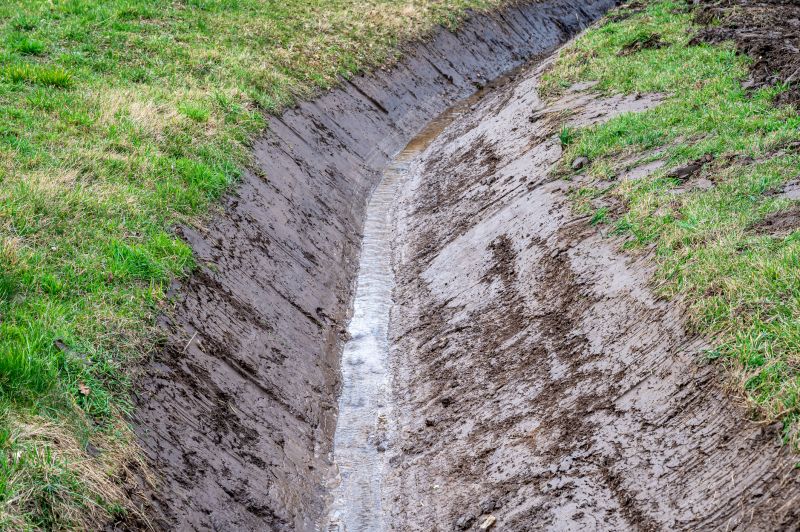
Clearing leaves and mud maintains flow capacity.
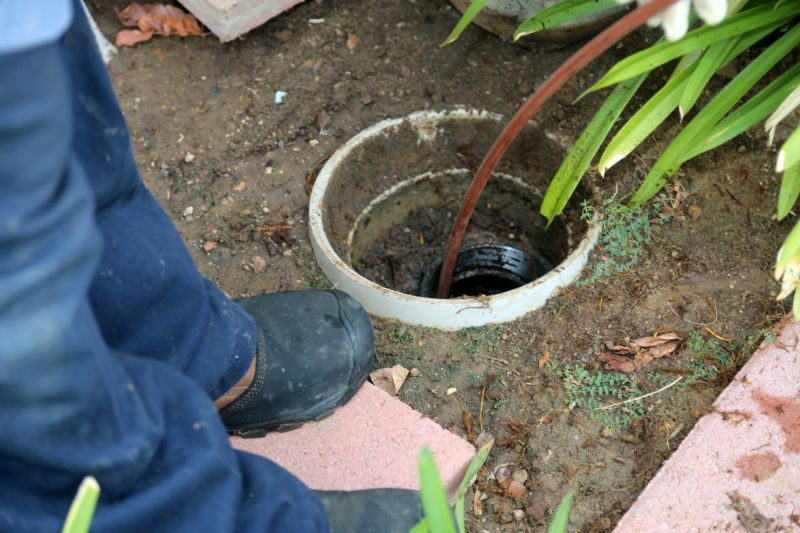
Fixing cracks and blockages prevents failures.
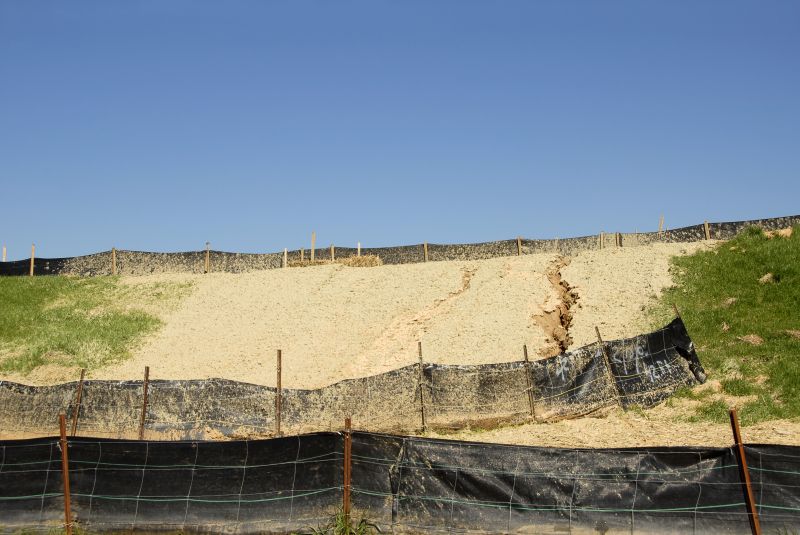
Protects soil and landscape around drainage areas.
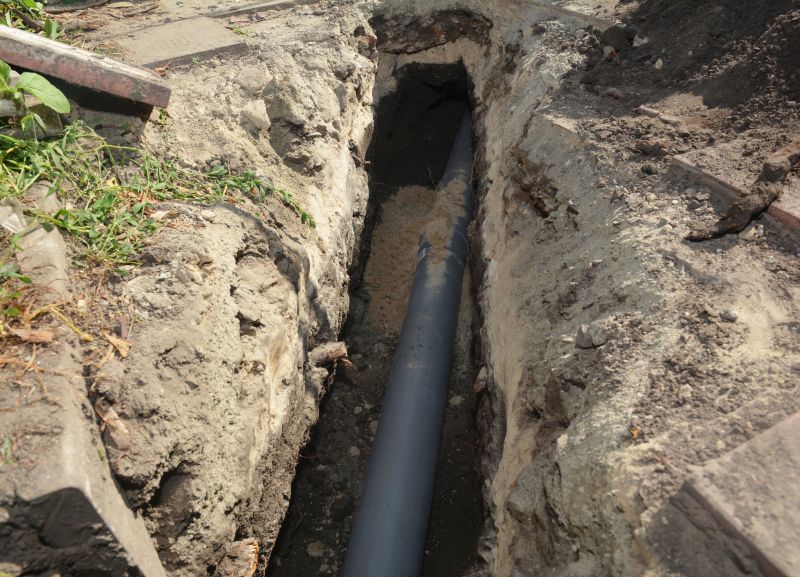
Little measurements that prevent headaches on Drainage Service day.
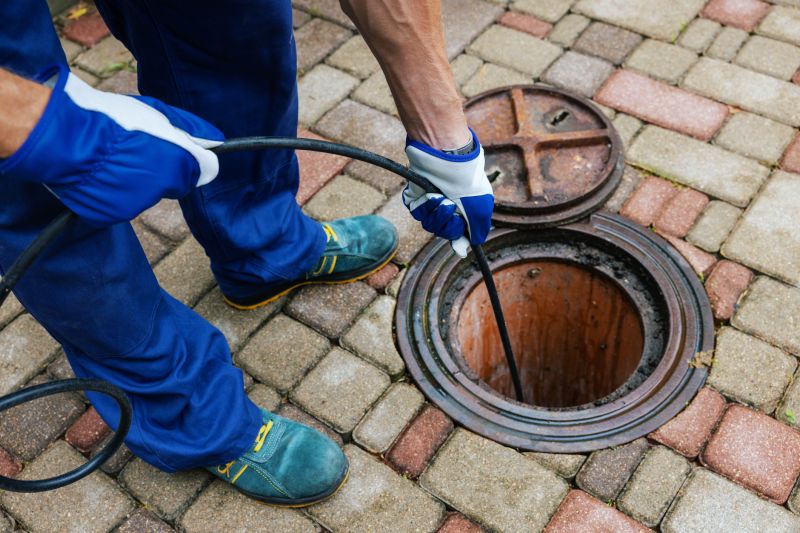
A 60-second routine that keeps Drainage Service looking new.
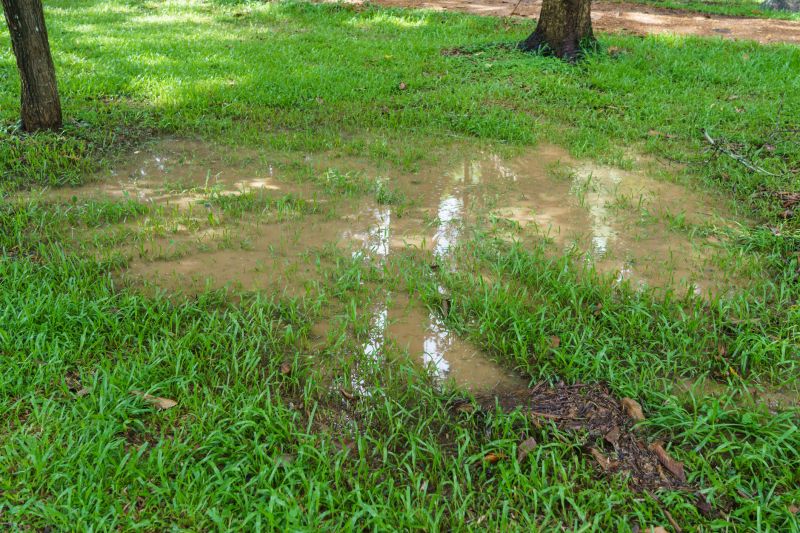
A frequent mistake in Drainage Service and how to dodge it.
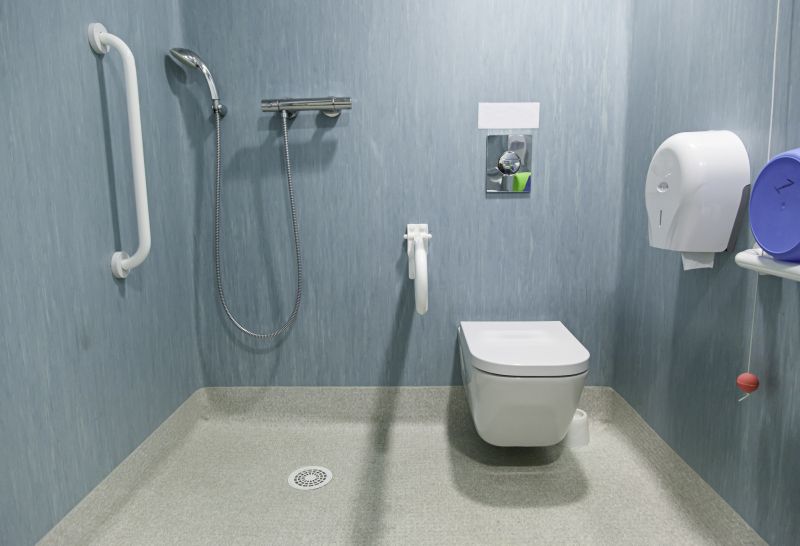
Small tweaks to make Drainage Service safer and easier to use.
Interested parties are encouraged to contact for further information or to schedule drainage service. Proper timing and regular maintenance are essential for effective water management and property protection.